As summer draws to a close in the United States of America, nature undergoes many changes. The lush green leaves change into a spectacular array of reds, oranges, and browns. The once humid air becomes refreshingly crisp and cool, signaling the arrival of autumn. It’s also a time when the once-empty hallways are now filled with children returning to school.
Today, I want to focus on the last point about children returning to school. Many people call this time “Back to School.” However, due to the dramatic plastic increase in the school year I have titled this post, “Back to Plastic.”
Plastic Usage Increase in School Year
Let me start with an extremely shocking and concerning statistic, “Public schools in the United States produce over 14,500 tons of waste every day. Each student using a disposable lunch produces roughly 67 pounds of waste during a nine-month school year. (earthday.org) This shows that although there are some other factors in the waste, the main factor is single-use plastic items. The 67 pounds of waste “mostly consisting of plastic utensils, straws, and bags.” (earthday.org)
School Lunches
From personal experience, my school used to give out Styrofoam trays at lunch. Putting hot food directly onto these trays are very bad for human health, if you want to read more about that check out my upcoming post. While Styrofoam (which contains Styrene) can lead to irritation, depression, headaches, and fatigue, it also has more severe effects including disrupting kidney functions, respiratory risks (from the airborne particles it releases), and “Styrene is considered a possible human carcinogen (agents that promote Cancer development) by the World Health Organization’s International Agency for Research on Cancer.” This year my school switched to reusable trays. Hopefully in the future they can switch to a different reusable material than plastic like metal.
Furthermore, if you wanted to get utensils, you had to get a whole pack! It was a plastic spork (spoon and fork) and a plastic knife with a napkin inside a plastic bag. I think they should change these to more environmentally friendly materials and also because these microplastics are getting into the human bodies!
Back to School Shopping
Also, as many parents and children head back to school shopping, a lot more plastic is used in packaging. Almost everything is wrapped in plastic or made of plastic (or both!) In some stores they still provide plastic bags as well!
What Can We Do?
In many stores it is unavoidable to purchase plastic items. However, you can still do things like bring your own reusable bag to stores. When you are bringing/packing a snack to school, do so in metal/glass containers instead of plastic to reduce the microplastics that go inside your body. Also, bring a metal utensil instead of plastic. Overall, there are many small ways to prevent plastic usage and microplastics going inside your body as the microplastic problem increases as the school year begins.
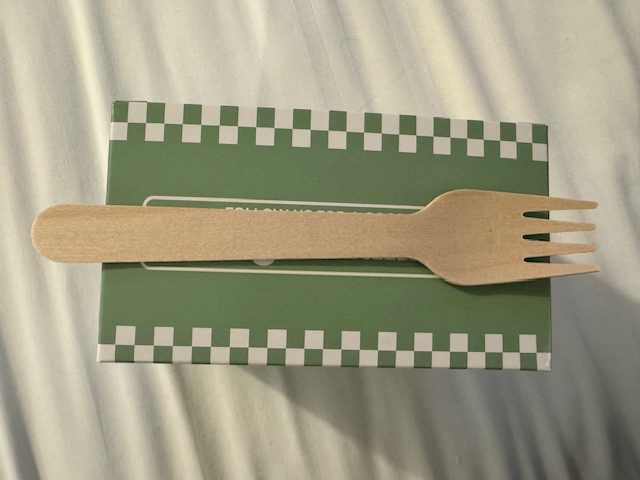
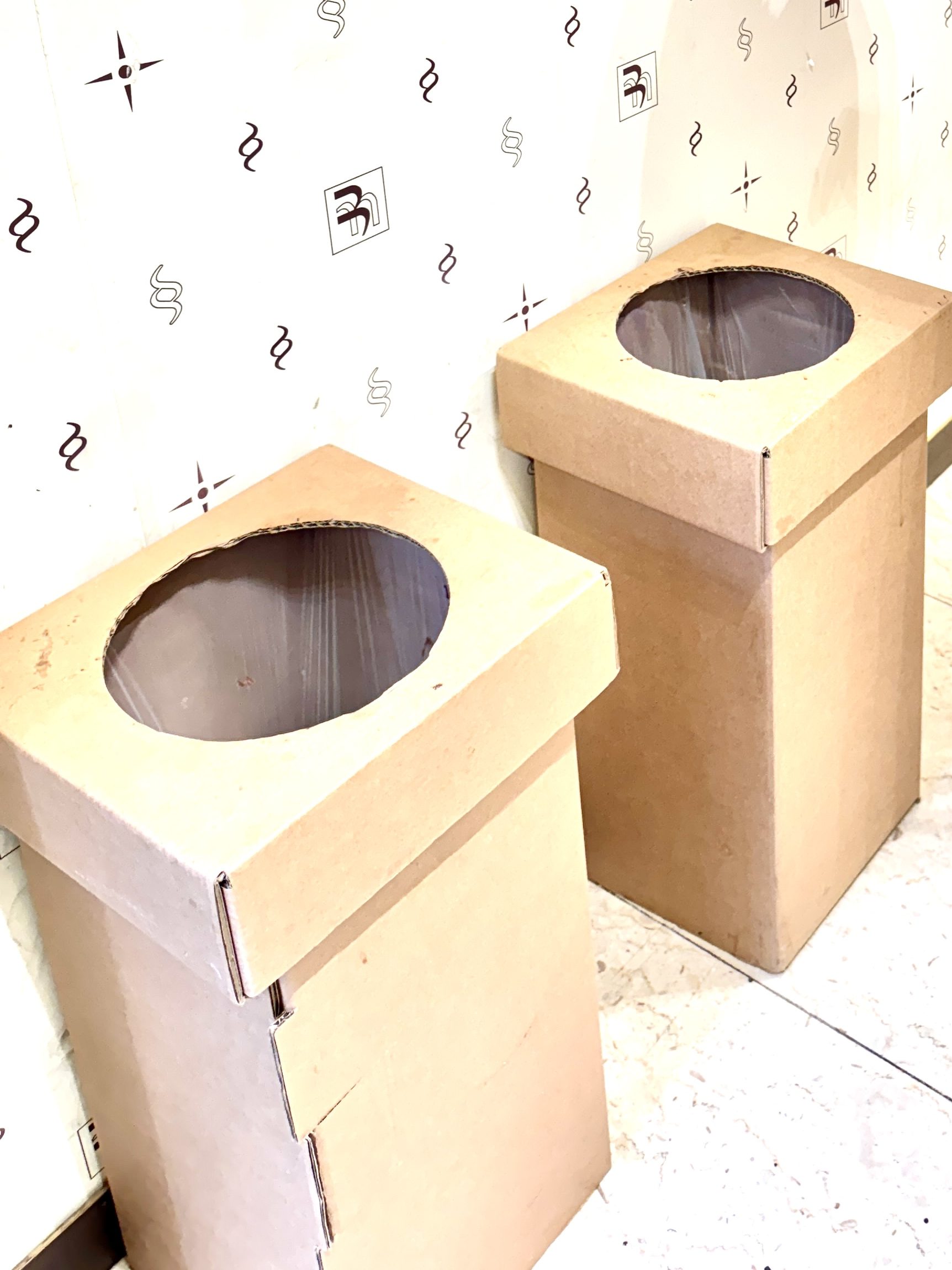
After travelling to London for spring break I was on the look-out for some environmentally friendly things I found. Please take a look at the pictures below!
It’s great that I’m writing about the threats of microplastics to educate others. However, as a reader, you may be wondering where to start. The information can be overwhelming because almost every food you consume contains harmful microplastics. However, this week’s blog post will hopefully help you with any questions you may have.
To begin, start by being curious. The easiest way to get started is to learn more for yourself. I, for instance, stumbled upon a flyer while having lunch in Newton, PA. I scanned the QR code (link below) and found the “Newtown Township Single-use Plastics Ordinance” link. My point with this story is that there are so many signs in our daily lives that we have to be curious and look for them!
If you are curious about something, take the next step and research more about it. Make sure to look into trustworthy websites and if you need any help, visit Bit by Bit’s “Cool Resources” section. Researching is the most important step because you need to ensure that your foundation is strong before moving on to anything else.
After researching enough, you can educate others and raise awareness in your community about the dangers of microplastics. You can also include ways to limit microplastic usage in your daily life. This can be done by making signs outside your lemonade stand or having a conversation with your friends about the global problem. Furthermore, you can educate others. Once you have researched enough, you can spread awareness in your community. Whether it’s making signs outside your lemonade stand or talking to your friends about the global problem, you are making a difference.
Finally, you can make a change. You can encourage your community to start using reusable water bottles, and remember it all starts somewhere. Even something as small as telling your classmates matters.
Newtown Borough Council has voted to advertise a new ordinance for passage in March that would regulate single-use plastics in the borough. If adopted, retail stores and restaurants would no longer be allowed to give customers single-use plastic bags. Instead, they could offer their customers recyclable paper bags or reusable bags for a fee of at least 15 cents. Businesses and restaurants would also only be allowed to give out single-use plastic straws and utensils upon request. In addition, “expanded polystyrene food containers” would be prohibited. The new regulations would go into effect 180 days following final adoption, which is scheduled for the March 12th.
Works Cited: Patch News – Newtown Borough One Vote Away From Regulating Single-Use Plastics
Recently, Newtown voted that they would ban single-use plastic bags. According to Fox 29 News Philadelphia, “The borough council unanimously voted this week to ban single-use plastic bags, and restrict plastic straws and utensils. There will also be a 15 cent fee on paper bags. The ordinance is scheduled to go into effect after 180 days.” As of August 7th, stores are providing plastic bags.
Plastics in our environment have always been a large problem and Bit by Bit’s recent research about microplastics can be accessed on this website. Microplastics form from large breakdowns of plastics and you can read about the dangers of plastics on a whole, before further reading about microplastics.
A Word From the Author Hello reader! Thank you so much for taking the time to read this article. Below you will find my writing about ocean pollution. I have always been passionate about the environment and after reading about the harm plastic causes, I decided to take initiative and launch Bit by Bit. This blog post focuses on ocean pollution and can be a general introduction if you are not familiar with this issue of plastics in our environment. My material is for all audiences however I specifically wrote this article for a younger age group to inspire them to take leadership and be more aware about the current issues in our environment. I hope you enjoy my writing and please post any suggestions or comments on our forum page! – Shona Ray
Imagine a hot summer day on the beach with the sun’s rays beating down on your face. The sand gently prickles your toes like millions of needles as you run to the shore. You dip your toes in the water and sigh as the cool waves engulf you. Suddenly, the lifeguard blows his shrill whistle at you and points to a sign: “Water Polluted – Beaches Closed.” Ocean pollution occurs when toxic chemicals, poisonous fertilizers, trash, and sewage are mixed into the ocean. These harmful pollutants eventually make their way back to drinking water for humans. In addition, much marine life is becoming endangered due to illnesses caused by plastic. With nearly eight million pieces of plastic trash entering the ocean daily, ocean pollution has become a major threat to the environment. Thankfully, there are many steps that students can take to prevent plastic pollution.
Ocean pollution began to draw attention in the late 1960s. Littering is the largest cause of ocean pollution. Littering primarily consists of plastic trash such as single-use bags and packaging wrappers. Plastic pollution, along with sewage and oil spills, is a major cause of ocean pollution. The results of ocean pollution include harm to ecosystems and major health problems for humans. According to “Ocean Pollution” by World Book Kids: “Marine debris can injure animals or make them ill. It can also bury marine habitat.” Many fish and other sea creatures such as turtles, whales, and dolphins ingest the plastics that have entered the ocean. As a result of introducing new toxins into the food chain, animals can become seriously ill. Toxins from the plastic can cause dangerous health issues for humans and are often directly linked to cancers and immune system problems. Further sources of ocean pollution include harmful chemicals from farms that are washed into the ocean by rainwater, acids that are used in coal mining, and oil spills. Beyond the large effects that ocean pollution has on the environment and marine life, there is also a high economic cost. A recent study said that plastic pollution in the ocean costs up to $2.5 trillion a year. In summary, ocean pollution has many causes including plastic waste. Ocean pollution can result in harm to marine ecosystems, major health problems for humans, and extremely high economic costs. Despite this, many people are trying to help eliminate ocean pollution from plastics and other sources.
Many organizations are trying to remove plastic pollution by cleaning the ocean, and avoid plastic pollution in the first place by spreading awareness and using more environmentally friendly business methods. Lots of trusted organizations are trying to work with scientists to find ways to eliminate ocean pollution. This is challenging because many people are unaware that plastics are everywhere! Microplastics, which are smaller breakdown products of plastic from pollution, were recently found in the air and water. States are now trying to combat this issue and California became the first state to acknowledge the problem by placing a ban on plastic straws. Later, New Jersey passed the Clean Water Act and NJ Environmental Rights Act. They have had a major positive effect on eliminating plastic pollution with news reports that “20% of ocean pollution in the USA has been reduced after these acts were passed.” New Jersey citizens are now littering less and stores have recently passed a law that they will no longer provide single-use plastic bags. Furthermore, the Ocean Dumping Act prohibits people from polluting the ocean. Unless with permission from the Marine Protection Research and Sanctuaries Act or “MPRSA,” ocean dumping or pollution is banned state-wide. Large companies are also trying to limit plastic usage; some of the most well-known companies that have taken action include Starbucks, Mcdonald’s, American Airlines, and Cliffbar. Aside from these companies and the non-profit organizations that are involved, students can make a difference.
As “Ocean Pollution” by “PebbleGo Next” said, “If plastic pollution continues at the current rate as it is now, then by 2050 the ocean will contain more plastic than fish.” Even though ocean pollution is an urgent global problem, students – like you – can make a difference. For example, anyone can get involved by picking up trash at a local beach. This helps because many people litter at the beach and the trash gets washed into the ocean. Eventually, this washed away litter gets back into human drinking water. Ocean pollution affects everyone because all humans consume drinking water. Some families have filtered water which takes out toxins from water, but filtering water is not financially viable for everyone yet. Even younger citizens can try to prevent ocean pollution by making small changes in their lives. Small changes include using reusable water bottles, avoiding single-use plastics like straws, trying to recycle more, not littering, and picking up trash in the community. People can donate to “PEW Charitable Trusts” or support them online. This charitable organization helps to clean the ocean by removing plastic and trash. Students can also promote small businesses, which tend to use more eco-friendly steps in manufacturing. With permission from a parent or guardian, kids can promote cleaning the oceans and fight against ocean pollution by supporting brands or organizations already doing this, and by spreading awareness on social media. Even raising this matter with adults or friends can make a positive difference to awareness. At this rate, plastic will contaminate almost every body of water in the future.
In conclusion, ocean pollution primarily consists of sewage, chemicals, and littered plastics. This is harmful to humans and to the environment in many ways. Ocean pollution is dangerous because over one billion people eat fish as their protein, which is currently the most polluted sea creature. Many fish now contain toxic chemicals and are dangerous to eat. Although scientists and organizations are trying, there are about 5.25 trillion pieces of microplastics in the ocean now. Despite the challenges, there are still many ways people can help and multiple organizations are trying every day to prevent plastic pollution. All people can try to help their communities and limit plastic pollution. We can all work together before it’s too late and polluted beaches become a reality. Help save the ocean today!
Kass, M. “Breaking the Plastic Wave: A Comprehensive Assessment of Pathways towards Stopping Ocean Plastic Pollutions.” Natural Resources & Environment, vol. 35, no. 4, spring 2021, p. 62. Gale in Context: Environmental Studies,
link.gale.com/apps/doc/A663597370/GRNR?u=pl9999r&sid=bookmark-GRNR&xid=2f8bc246. Accessed 13 Mar. 2023.
Kowalski, Kathiann M. “Oceans of Trouble.” Current Health Teens, Oct. 2010. SIRS Discoverer, explore.proquest.com/sirsdiscoverer/document/
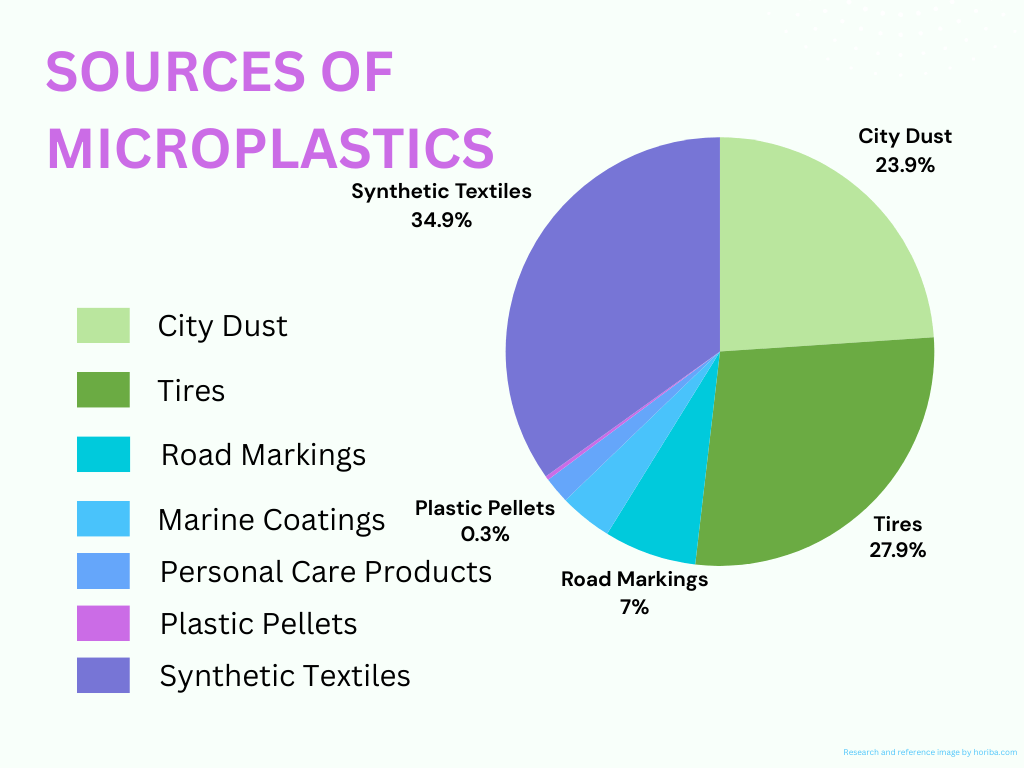
Bit by Bit is working to spread awareness about microplastics. Microplastics are small particles that form from gas, oil, toxic wastes from industries and most commonly, when a large piece of plastic breaks down. Just like regular plastic, they are harmful to our environment. However, studies have found particles of microplastics in the ocean. In 2022, the “National Library of Medicine” found microplastics in fish and after later research was conducted in 2023, it was concluded that microplastics lead to risks for human health. They make their way into the human body through drugs, cosmetics and food. Smaller breakdowns of microplastics, called nanoplastics have been found everywhere including samples in the air because of the large usage of plastic.
The Dangers of Microplastics
Why does this matter? Microplastics have serious effects on the environment, if plastic usage continues at the rate it is currently growing certain species of fish could be at risk of endangerment.
Microplastics have detrimental health effects. Tests done on cells from humans and mice showed that tiny pieces of plastic, called microplastics, can make you sick. They can cause your body to get inflamed, create too many harmful chemicals called reactive oxygen species, mess up how your body breaks down fats, and even hurt the good bacteria in your gut. They can also damage your brain and nervous system. The Dutch Study found microplastics in 77% of people’s blood samples.
Research Used: National Institutes of Health E&E News by POLITICO




 Bit by Bit